
Books I'd hand you
if you asked.
A short list. Some have stayed with me for years, and a couple I'm reading right now.
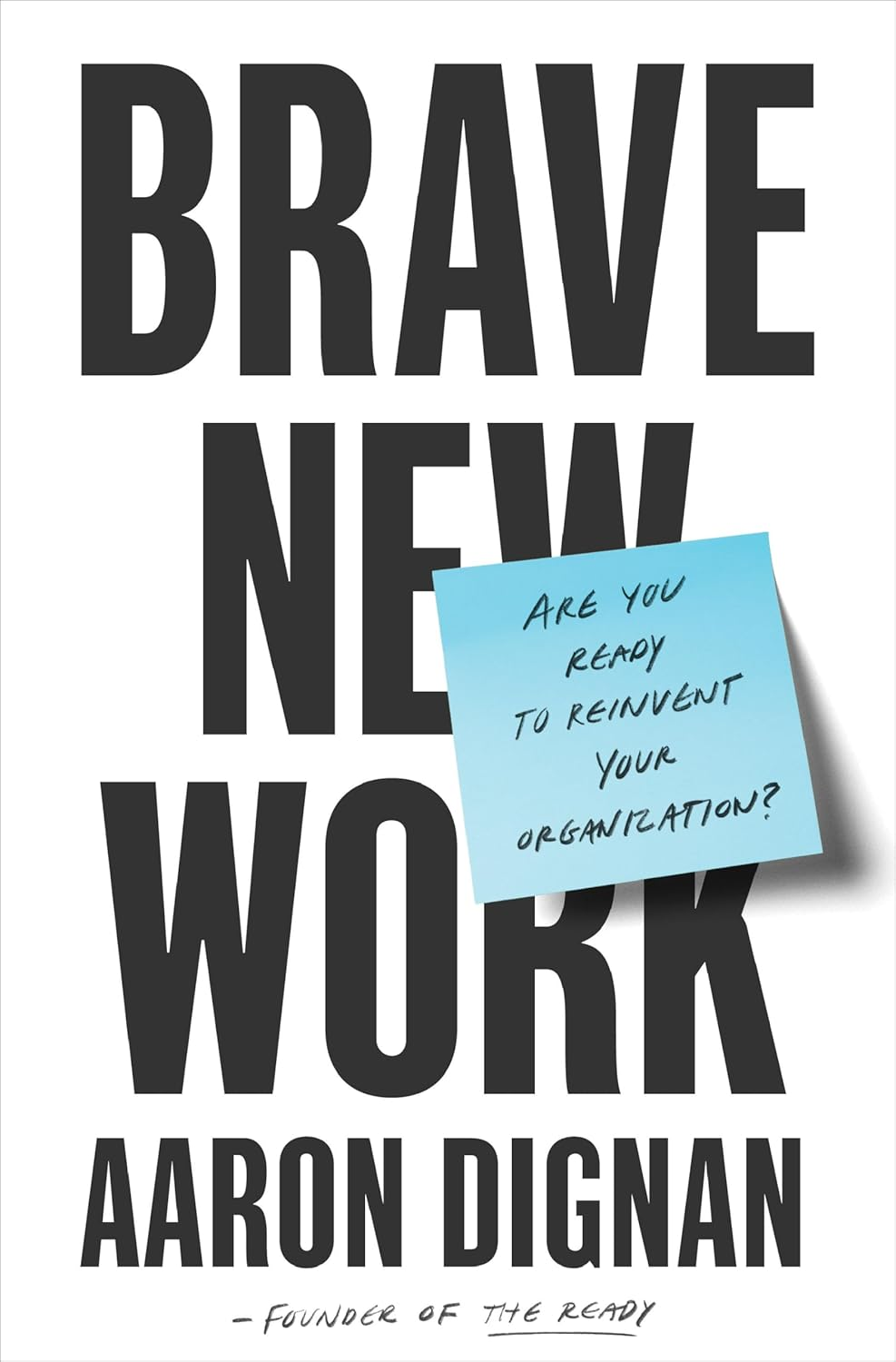
A pragmatic case for trusting teams and rebuilding the org chart around how they actually work.
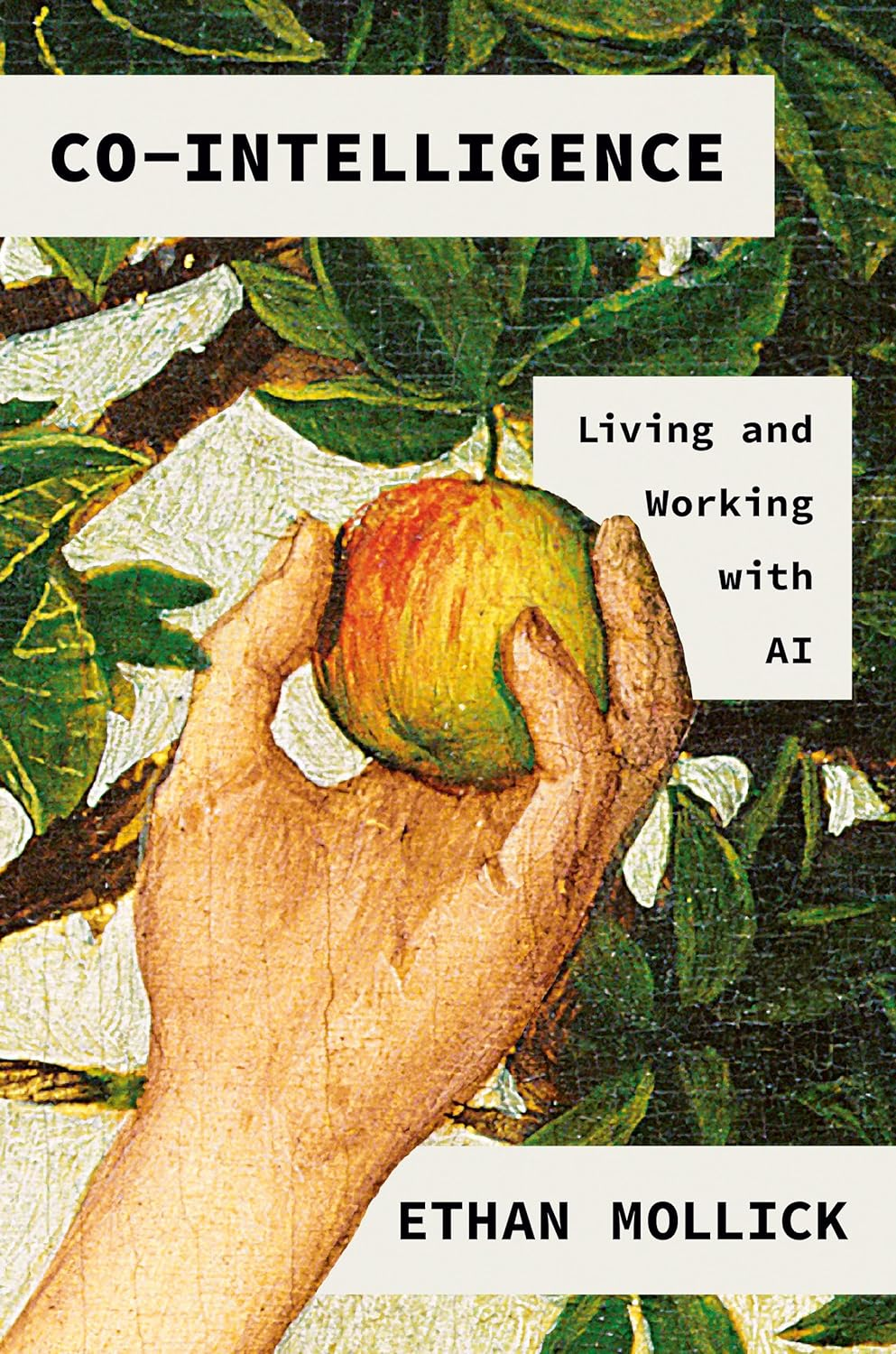
A clear-eyed guide to working alongside AI. Practical, which is rare for this topic.
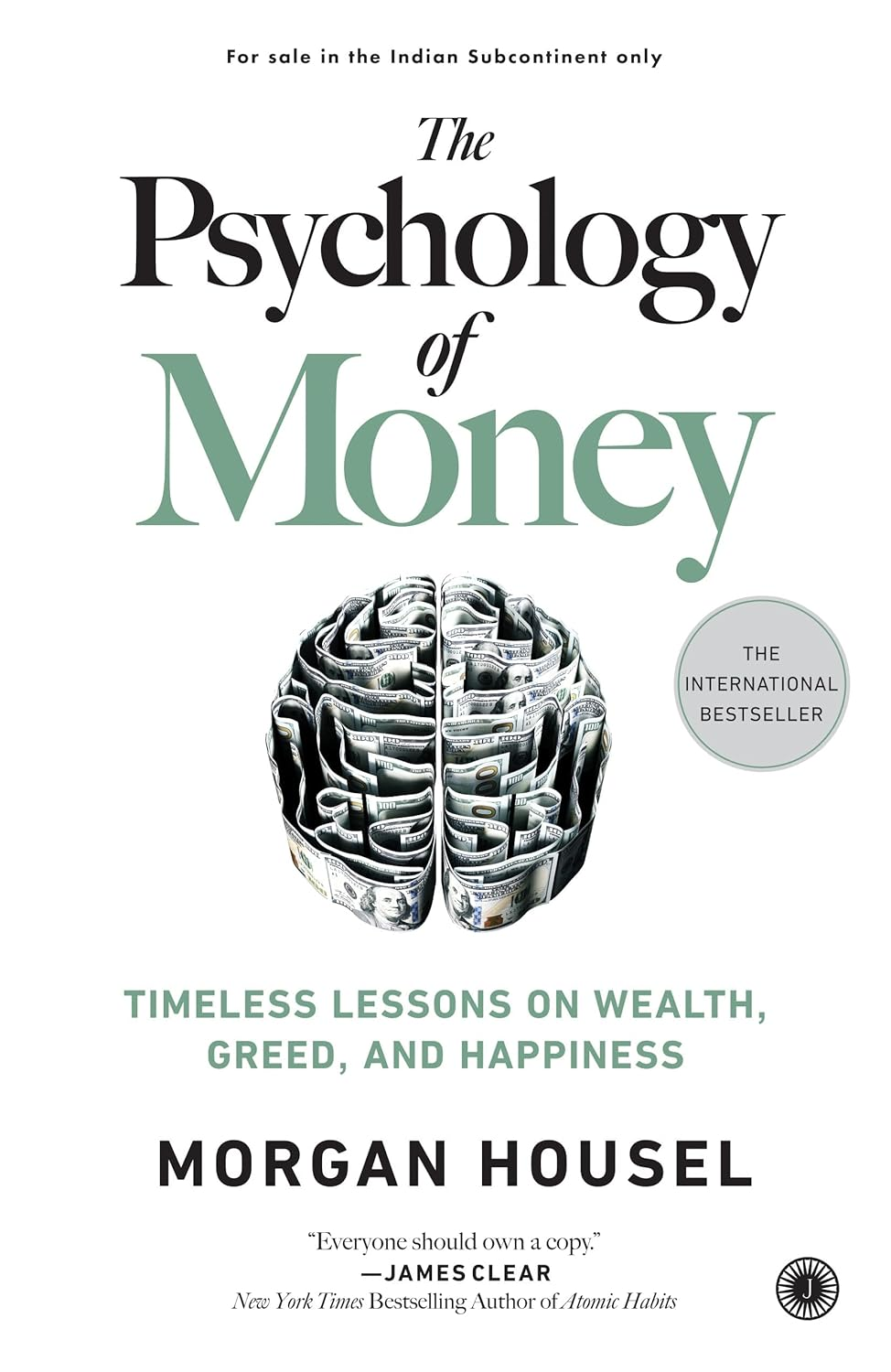
Lessons on greed and how money actually moves through a life.
Read the note Close
“Some people are born into families that encourage education; others are against it. Some are born into flourishing economies encouraging of entrepreneurship; others are born into war and destitution. I want you to be successful, and I want you to earn it. But realize that not all success is due to hard work, and not all poverty is due to laziness. Keep this in mind when judging people, including yourself.”
An easy read; I got through it in about a week of evenings. It reads like a money book, but it's really about how we think, and how that drives what we do with money more than the math does. I came away thinking your experience with money is yours, and someone else's read of it can be just as valid. It's rarely as clearly right or wrong as it feels.
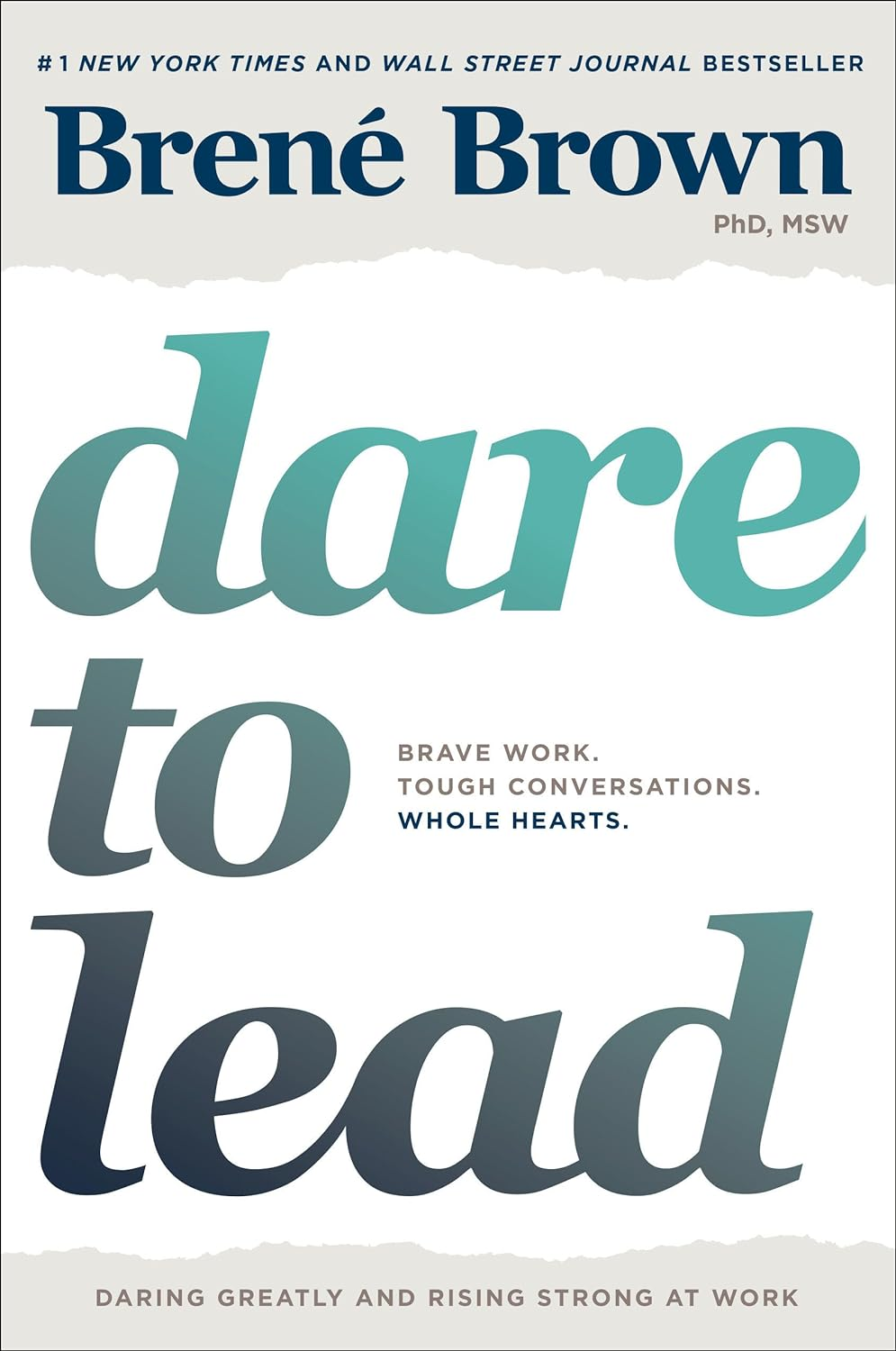
On leading without armor, and why the hard conversations are the job, not a distraction from it.
Read the note Close
“The courage to be vulnerable is not about winning or losing, it's about the courage to show up when you can't predict or control the outcome.”
I read this in 2021, the year I became a people manager for the first time. It convinced me that transparency isn't the liability it's often treated as, and that 'I don't know yet' is a strength when you say it out loud. It's easy, new in the role, to forget that everyone across the table is just a person too. A fair amount of how I manage now started here.
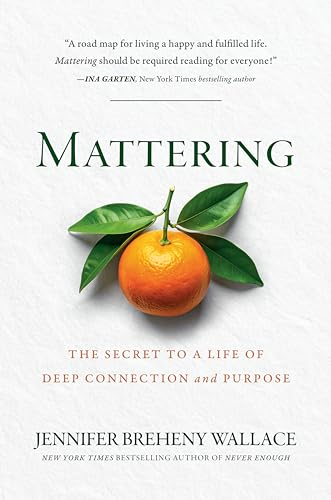
On helping people know they matter for who they are rather than what they produce.
Read the note Close
“Mattering is double-edged—powerful when we feel it and destructive when we don't.”
A clear look at the research behind something simple: people need to feel like they matter, and it does real damage when they don't. The book frames it through family, but it reads just as true at work. What I took from it is how much being needed holds a person together, at home and on a team.
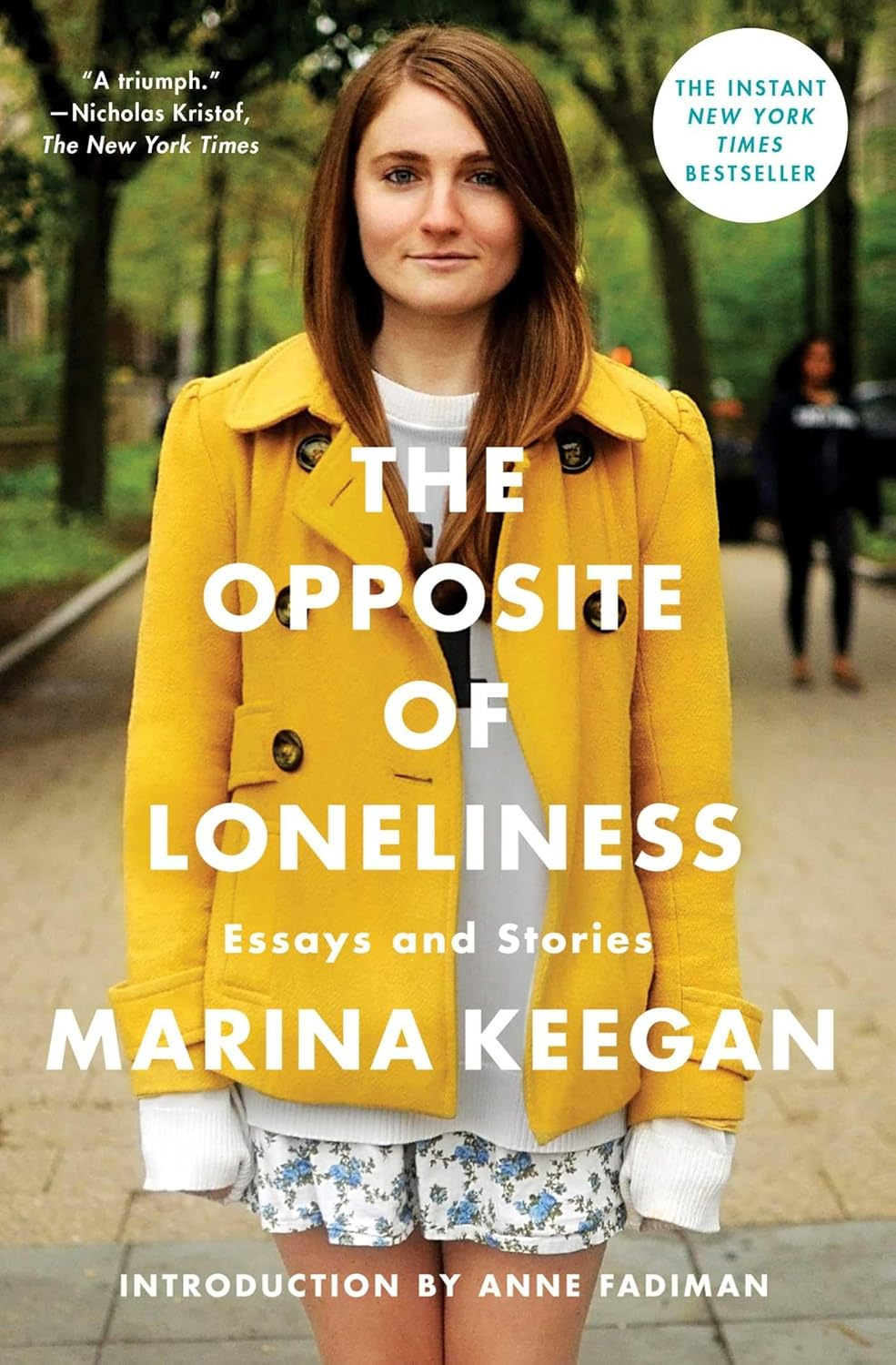
Essays and stories from a writer who didn't get to keep writing.
Read the note Close
“What we have to remember is that we can still do anything. We can change our minds. We can start over. We MUST not lose this sense of possibility because in the end, it's all we have.”
I first read this on a plane to Seattle in 2018. The opening essay, the one the book is named for, has stayed with me. I come back to it whenever something's changing, or when I'm unsure of the ground under me. It reads like a time capsule: a young writer's work, kept exactly as she left it. I'd hand it to anyone who wants something to think about, and a little poetry with it.
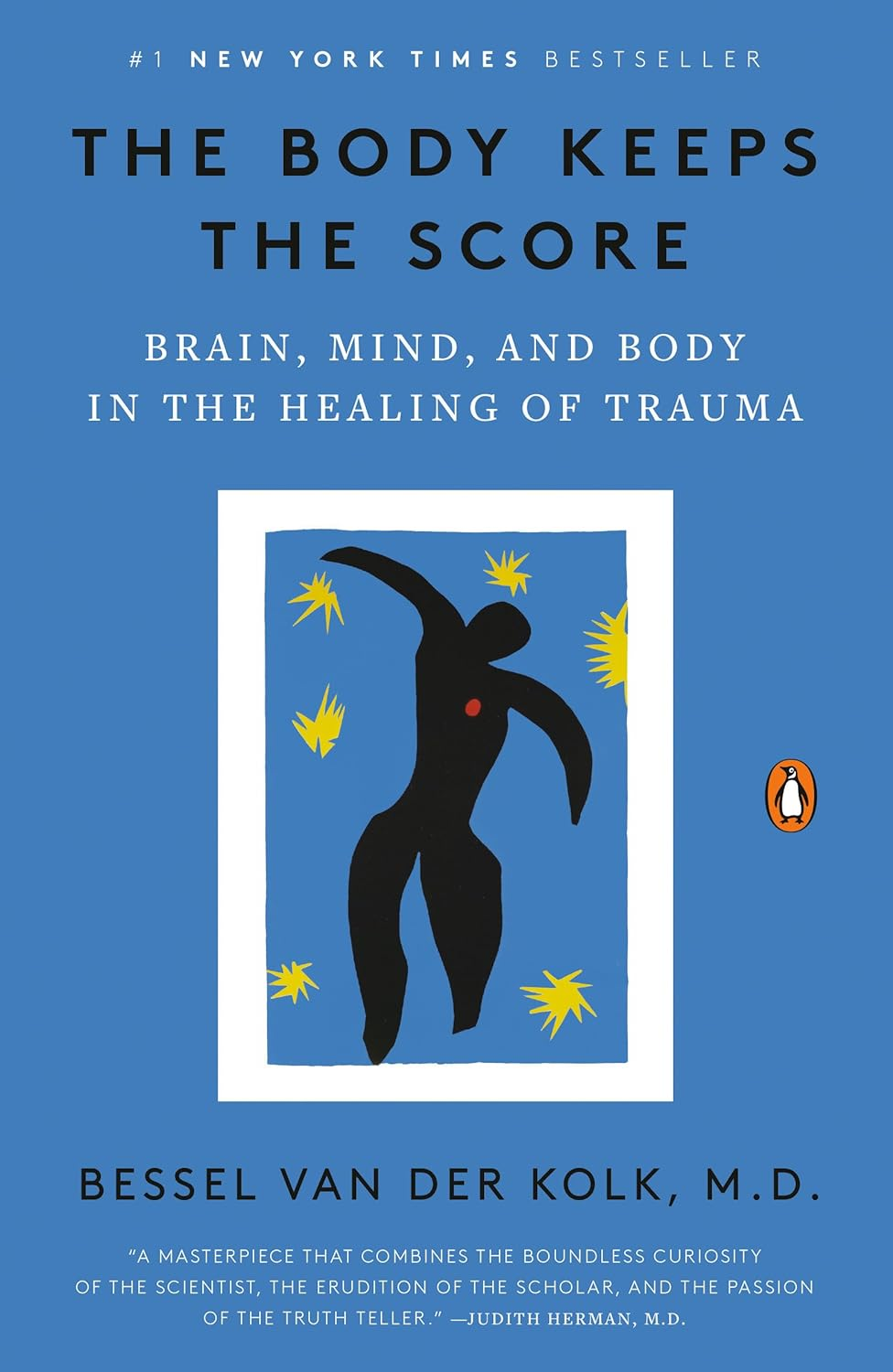
On the ways trauma lives in the body as much as in memory. Hard in places, but worth it.
Read the note Close
“As long as we feel safely held in the hearts and minds of the people who love us, we will climb mountains and cross deserts and stay up all night to finish projects.”
I read this slowly, in pieces. It lays out how trauma settles into the body and doesn't soften that, but what I held onto was how much the brain can still heal. It asks a lot of you in places. What I kept is that what happened to you shapes you, but it doesn't have to run the rest of it.
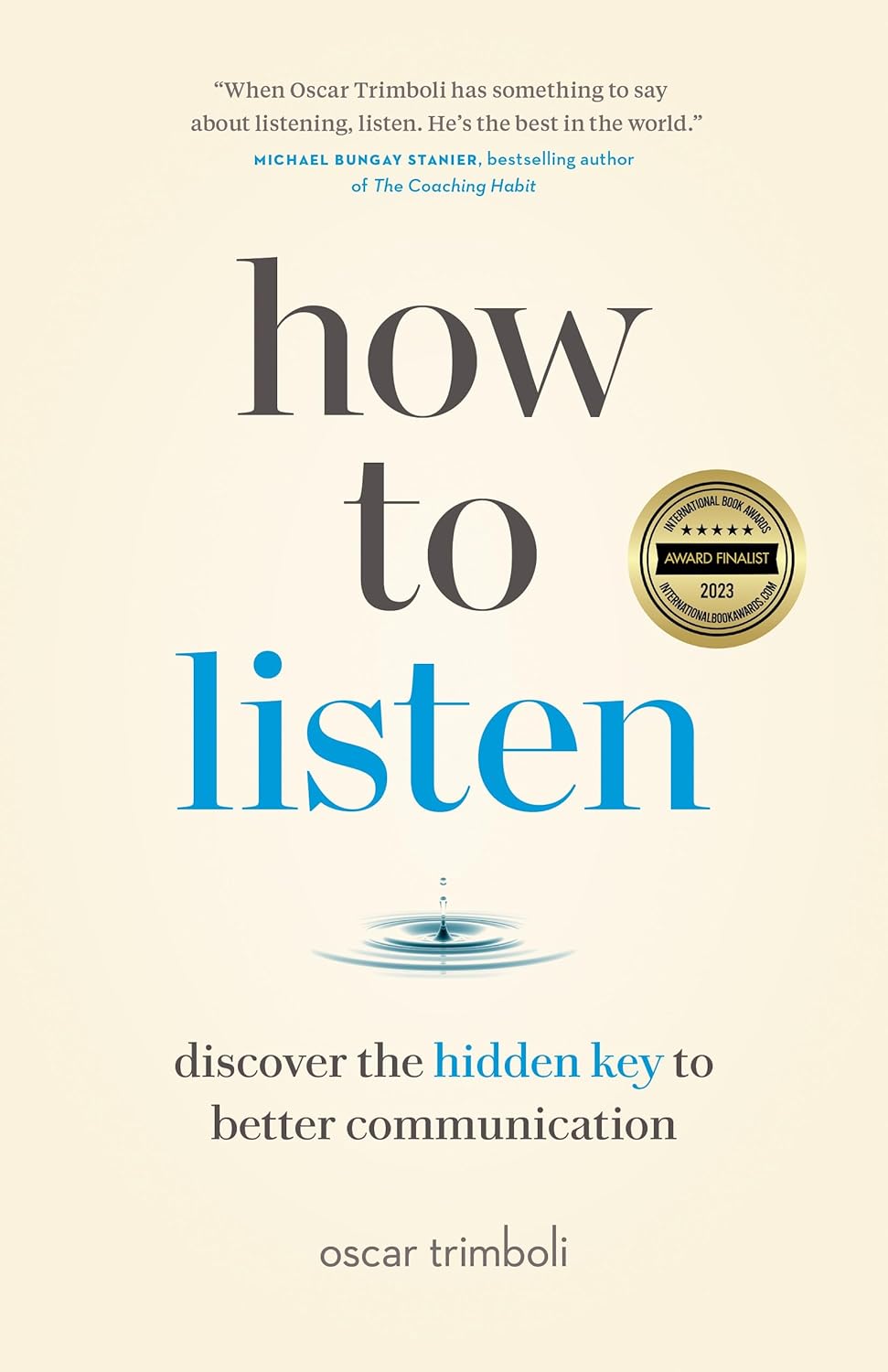
On the hidden work of real listening, and how easily we trade it for waiting to reply.
Read the note Close
“Listening for similarities in an unproductive way shows up most when you are listening with sympathy rather than with empathy.”
This shifted how I approach conversations, at work and outside it. It made me more aware of my own bias, and of the easy habit of listening while I build a response instead of fully taking in what the other person is saying. I think about it often.